
Procrastination is rarely about laziness. More often, it stems from fear, perfectionism, overwhelm, or simply not knowing where to start. Over time, those delays can create stress, guilt, and the feeling of constantly falling behind. Books on procrastination aim to break that cycle by helping readers understand why they procrastinate and how to build habits that support consistent action.
The best books on this topic do more than offer motivational quotes. They provide frameworks, practical tools, and realistic strategies that fit into everyday life. Below are several widely recommended books that approach procrastination from different angles, allowing readers to find the perspective that resonates most with their situation.
The Now Habit by Neil Fiore
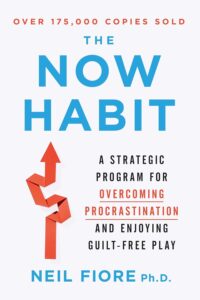
The Now Habit focuses on removing the pressure that often fuels procrastination. Rather than forcing productivity through guilt or fear, Neil Fiore emphasizes reducing anxiety and building a healthier relationship with work.
The book introduces techniques such as the “Unschedule,” which shifts focus away from endless to-do lists and toward planned breaks and realistic work sessions. This approach helps readers regain a sense of control and progress without burnout.
Eat That Frog! by Brian Tracy
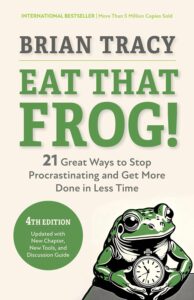
Brian Tracy’s Eat That Frog! takes a direct, action-oriented approach to procrastination. The central idea is simple: tackle the most important and challenging task first, before distractions take over.
The book breaks productivity into manageable principles, making it easy to apply immediately. It’s particularly helpful for readers who struggle with prioritization and tend to spend time on low-impact tasks instead of meaningful work.
Atomic Habits by James Clear

While not exclusively about procrastination, Atomic Habits addresses many of the underlying behaviors that cause it. James Clear explains how small habits, repeated consistently, can reshape productivity and focus over time.
The book emphasizes systems over goals, helping readers create environments that make action easier and procrastination harder. This perspective is useful for anyone looking to make long-term changes rather than relying on bursts of motivation.
Solving the Procrastination Puzzle by Timothy A. Pychyl
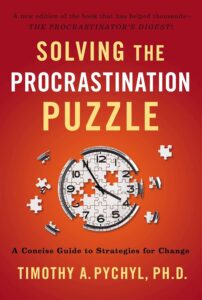
This concise book focuses on the emotional side of procrastination. Timothy Pychyl explains that procrastination is often a way to avoid negative feelings rather than difficult tasks themselves.
By addressing emotional regulation and self-compassion, the book offers practical strategies for reducing avoidance behaviors. Its straightforward style makes it accessible and easy to revisit when procrastination resurfaces.
Deep Work by Cal Newport

Deep Work explores the impact of distraction on productivity and why focused effort has become increasingly rare. Cal Newport argues that the ability to concentrate deeply is a skill that can be trained and protected.
For chronic procrastinators who struggle with constant interruptions and digital distractions, this book offers a framework for reclaiming attention and producing meaningful work in less time.
The War of Art by Steven Pressfield
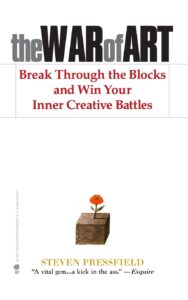
Steven Pressfield approaches procrastination through the lens of creative resistance. The War of Art personifies procrastination as an internal force that resists meaningful work.
While more philosophical than tactical, the book resonates strongly with writers, artists, and entrepreneurs. It encourages readers to recognize resistance for what it is and show up consistently despite it.
Choosing the Right Book for You
Not all procrastination looks the same. Some people struggle with fear of failure, while others feel overwhelmed by too many choices. Choosing the right book depends on whether you need structure, emotional insight, habit-building strategies, or mindset shifts.
Many readers find it helpful to start with one book that feels immediately relevant, then explore others as their understanding deepens. Over time, these insights can work together to create lasting change.
Final Thoughts
Books on procrastination offer more than temporary motivation. They help uncover the patterns that keep people stuck and provide tools to move forward with clarity and confidence. By learning why procrastination happens and how to address it practically, readers can replace delay with steady, sustainable progress.